



Exercise physiology16 November 20269 min read
What Does an Exercise Physiologist Do? How Does It Differ From Physiotherapy?
An Accredited Exercise Physiologist (AEP) is a university-qualified allied health professional specialising in evidence-based exercise prescription and rehabilitation for injuries, chronic health conditions, persistent pain and disabilities. While exercise physiology and physiotherapy overlap significantly, physiotherapists commonly focus on clinical diagnosis and treatment of movement-related conditions, while exercise physiologists emphasise individualised exercise prescription, progressive rehabilitation and long-term health management.
By Clyve Tan, Accredited Exercise Physiologist
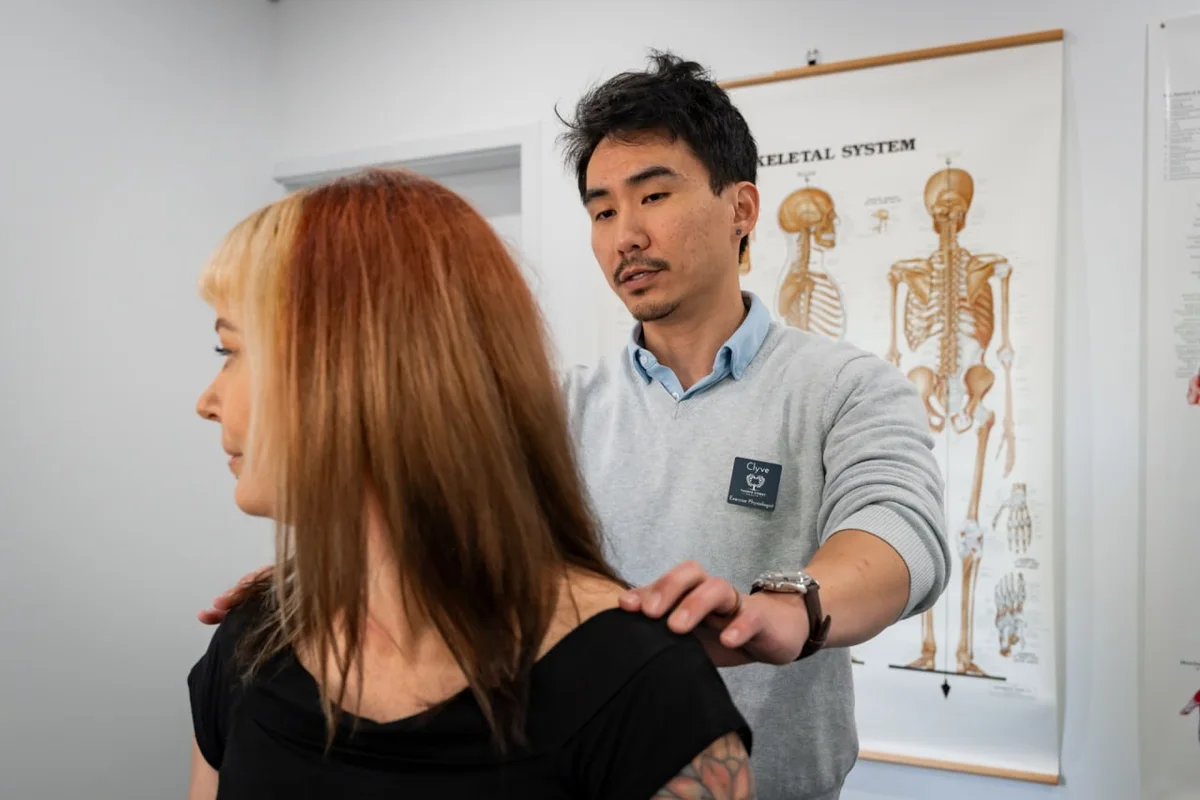
What does an exercise physiologist do?
An Accredited Exercise Physiologist (AEP) helps people improve their health, mobility and physical function through individualised, evidence-based exercise and rehabilitation. Treatment is matched to each person's medical history, physical abilities, symptoms and personal goals.
At Thorpe Street Health, exercise physiology begins with a thorough assessment to identify physical limitations, movement difficulties and areas requiring rehabilitation. Based on these findings, your exercise physiologist develops a personalised treatment plan that may include:
Clinical assessmentEvaluating movement, strength, flexibility, balance and functional capacity to identify limitations and guide treatment.
Individualised exercise prescriptionDeveloping exercise programs written for you to manage health conditions, improve physical function and support recovery.
Pain management and rehabilitationCombining therapeutic exercise with appropriate hands-on techniques, including dry needling, manual therapy and soft tissue treatment where clinically indicated.
Education and self-managementProviding practical advice, exercise guidance and strategies to help manage symptoms, build confidence and maintain long-term improvements.
Ongoing monitoring and progressionRegularly reviewing progress and adjusting treatment to reflect changes in physical capacity, symptoms and rehabilitation goals.
“Our aim is to help patients move with greater confidence, manage their health and maintain independence through safe, progressive and sustainable rehabilitation.”
What is exercise physiology?
Exercise physiology is an evidence-based allied health service that uses clinical exercise prescription to prevent, manage and rehabilitate a wide range of injuries, chronic health conditions and physical disabilities.
Accredited Exercise Physiologists (AEPs) are university-qualified healthcare professionals who specialise in understanding how the body responds and adapts to exercise. They use this knowledge to develop individualised treatment programs that improve physical function, manage symptoms and support long-term health and wellbeing.
Exercise physiology can benefit people across all ages and abilities, including those managing:
Cardiovascular and respiratory conditions: heart disease, hypertension (high blood pressure), chronic obstructive pulmonary disease (COPD) and reduced exercise tolerance.
Metabolic conditions: type 2 diabetes, obesity, metabolic syndrome and other conditions affecting metabolic health.
Musculoskeletal conditions: osteoarthritis, osteoporosis, persistent back and neck pain, sports injuries and pre- and post-operative rehabilitation.
Occupational health and workplace rehabilitation: supporting recovery from work-related injuries through targeted exercise rehabilitation, functional capacity building and return-to-work preparation, including patients receiving treatment under workers' compensation and other injury insurance schemes.
Neurological conditions: Parkinson's disease, stroke, multiple sclerosis and other neurological conditions affecting movement and function.
Cancer and chronic disease: supporting physical function, managing cancer-related fatigue and improving quality of life during and after treatment.
Mental health and persistent pain: supporting physical and psychological wellbeing through structured exercise, pain education and self-management strategies.
Healthy ageing and falls prevention: improving strength, balance, mobility and independence to support healthy ageing.
In Australia, Accredited Exercise Physiologists are accredited through Exercise & Sports Science Australia (ESSA) and must meet recognised university education, clinical training and ongoing professional development requirements.
At Thorpe Street Health, our exercise physiology services focus on individualised, progressive rehabilitation to help patients improve their physical capacity, manage their health and maintain an active, independent lifestyle.
Exercise physiology is suitable for people of all ages, fitness levels and physical abilities. From injury rehabilitation and chronic disease management to disability support and improving general strength and mobility, exercise programs are matched to each person's needs, abilities and goals. No previous exercise experience is required.
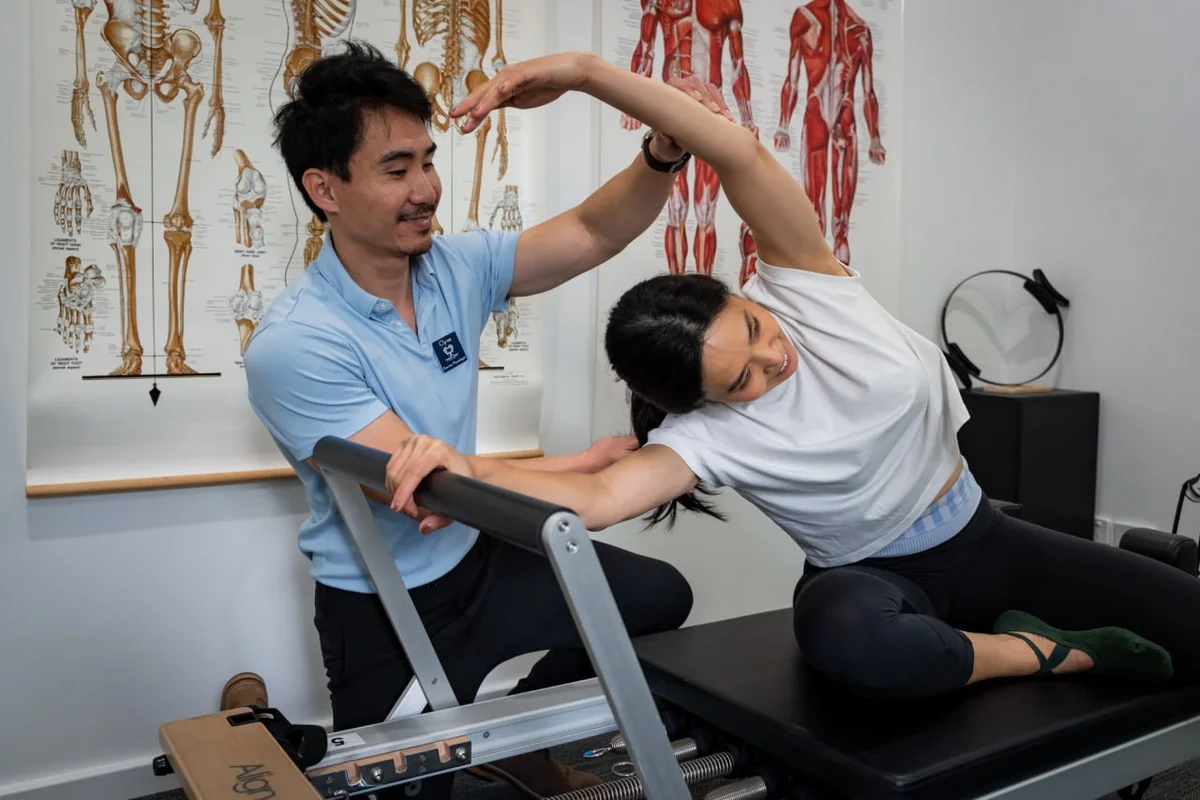
What is the difference between an exercise physiologist and a physiotherapist?
Exercise physiology vs physiotherapy
While exercise physiology and physiotherapy overlap significantly, physiotherapists commonly focus on clinical diagnosis and treatment of movement-related conditions, while exercise physiologists emphasise individualised exercise prescription, progressive rehabilitation and long-term health management.
Exercise physiologists and physiotherapists are both university-qualified allied health professionals who play important roles in injury rehabilitation, pain management and improving physical function.
Physiotherapists are trained to assess, diagnose and treat a broad range of conditions affecting movement and physical function. Treatment may involve manual therapy, joint mobilisation (moving a joint by hand), therapeutic exercise and education to support recovery and rehabilitation.
Accredited Exercise Physiologists (AEPs) specialise in clinical exercise prescription, progressive rehabilitation and the prevention and management of chronic health conditions, injuries and disabilities. Their approach places particular emphasis on improving strength, mobility, physical function, capacity and long-term health through individualised exercise programs.
At Thorpe Street Health, our exercise physiology services extend beyond exercise prescription to incorporate dry needling, manual therapy, therapeutic taping and strapping, and instrument-assisted soft tissue mobilisation (IASTM), where clinically appropriate. These techniques complement exercise-based rehabilitation, providing an individualised approach to pain management, recovery and improved physical function.
Exercise physiologist vs physiotherapist: key differences
| Compared on | Exercise physiologist | Physiotherapist |
|---|---|---|
| Qualifications | Minimum four years of equivalent university education | Generally a four-year university qualification or equivalent approved pathway |
| Professional accreditation | Accredited by Exercise & Sports Science Australia (ESSA) | Registered with the Physiotherapy Board of Australia through AHPRA |
| Primary emphasis | Clinical exercise prescription, functional rehabilitation, chronic disease management and long-term physical capacity | Assessment, diagnosis and treatment of movement-related conditions, injury rehabilitation and restoration of physical function |
| Clinical assessment | Movement, strength, balance, exercise tolerance and functional capacity assessments | Musculoskeletal, neurological and other physical assessments, clinical diagnosis and functional evaluation |
| Treatment approaches | Individualised exercise programs, progressive strengthening, rehabilitation, education and self-management strategies | Therapeutic exercise, manual therapy, joint mobilisation, rehabilitation and patient education |
| Hands-on treatment | May incorporate complementary techniques where appropriately trained and within professional scope | Manual therapy and other hands-on techniques commonly form part of clinical training and practice |
| Pre- and post-operative rehabilitation | Yes | Yes |
| Workplace injury rehabilitation | Yes, including functional capacity building and return-to-work preparation | Yes, including injury assessment, treatment and rehabilitation |
| Referral required | No referral generally required for private appointments | No referral generally required for private appointments |
| Medicare rebates | Available for eligible patients with a GP chronic condition management plan and appropriate referral | Available for eligible patients with a GP chronic condition management plan and appropriate referral |
| Private health insurance | May be covered under eligible extras policies | May be covered under eligible extras policies |
Should I see an exercise physiologist or a physiotherapist?
Both exercise physiologists and physiotherapists can assist with injury rehabilitation, pain management and improving physical function. The most appropriate choice depends on your condition, rehabilitation goals and individual treatment needs.
For patients seeking structured exercise rehabilitation, progressive strengthening, improved functional capacity or ongoing management of chronic health conditions, an Accredited Exercise Physiologist may be particularly beneficial.
Physiotherapy may be especially appropriate when a patient requires a detailed clinical diagnosis of a movement-related condition or specific physiotherapy interventions.
In many cases, the two professions overlap and complement one another, working together to support recovery, restore function and improve long-term health outcomes.
If you're unsure which service is right for you, feel free to give us a call and ask for a free first consultation with Clyve. Alternatively, speak with your GP, who can help guide you towards the most appropriate care.
Do you need a referral, and does Medicare cover exercise physiology?
Private patients
You do not need a referral to see an Accredited Exercise Physiologist (AEP) as a private patient.
Medicare
Eligible patients with a GP chronic condition management plan (GPCCMP) may access Medicare rebates for exercise physiology services (MBS item 10953), with up to five allied health appointments per calendar year shared across eligible disciplines. A GP referral is required to access these rebates.
Other funding
Exercise physiology services may also be funded through private health insurance, the Department of Veterans' Affairs (DVA), the National Disability Insurance Scheme (NDIS), workers' compensation and other injury insurance schemes, subject to eligibility and approval requirements.
Your eligibility
Speak with your GP or contact Thorpe Street Health to discuss your eligibility and available funding options.
Exercise physiology at Thorpe Street Health in Rockingham

Accredited Exercise Physiologist
Clyve Tan is an Accredited Exercise Physiologist (AEP) with over a decade of clinical experience across hospital rehabilitation, private practice, community aged care and occupational rehabilitation.
Qualifications and accreditation
- Master of Clinical Exercise Physiology
- Graduate Certificate in Sports Medicine
- Bachelor of Exercise and Sports Science
- Accredited through Exercise & Sports Science Australia (ESSA)
Clyve provides individualised, evidence-based rehabilitation with clinical interests including:
Musculoskeletal rehabilitationSports injuries, osteoarthritis, persistent pain and functional strengthening.
Chronic disease managementCardiovascular, respiratory and metabolic conditions, including type 2 diabetes.
Pre- and post-operative rehabilitationProgressive strengthening, recovery and restoration of physical function.
Occupational rehabilitationWorkplace injury management, functional capacity building and return-to-work preparation.
Healthy ageing and falls preventionImproving balance, mobility, strength and independence.
Clinical PilatesIndividualised mat and reformer-based rehabilitation (a reformer is a Pilates machine with springs) to improve movement, strength and functional capacity.
His treatment approach combines exercise prescription written for you with complementary hands-on techniques, including dry needling, manual therapy, therapeutic taping and instrument-assisted soft tissue mobilisation (IASTM), where clinically appropriate.
Clyve consults in English and Mandarin at Thorpe Street Health, located at 57 Thorpe Street, Rockingham, working alongside the medical team to provide coordinated, patient-centred care.

How to book an exercise physiologist in Rockingham
Appointments with Clyve Tan, Accredited Exercise Physiologist at Thorpe Street Health, can be booked online through HotDoc or by contacting reception on (08) 6147 6547.
30-minute Medicare consultation
Bulk billed, meaning there is nothing to pay, for eligible patients with a GP chronic condition management plan (GPCCMP) and appropriate referral.
30-minute consultation
Standard appointment for assessment, exercise rehabilitation and ongoing treatment.
45-minute consultation
Extended appointment for more thorough assessment or rehabilitation.
60-minute consultation
Available for extended treatment, including eligible WorkCover and NDIS patients, subject to prior approval where required.
Private appointments are payable on the day, with HICAPS (the card terminal that claims your private health rebate on the spot) available for eligible private health insurance claims. Medicare, the Department of Veterans' Affairs (DVA), workers' compensation and self-managed or plan-managed NDIS funding may also be accepted, subject to eligibility and applicable approval requirements.
A referral is not required for private appointments.
For appointment enquiries or help choosing the most appropriate consultation, email clyve@thorpestreethealth.com.au or contact reception.
For further information, visit our fees and billing page or learn more about our exercise physiology services.
Frequently asked questions about exercise physiology
- Do I need a referral to see an exercise physiologist?
- No. You can book a private appointment directly without a referral. However, a GP referral and an eligible GP chronic condition management plan (GPCCMP) are required to access Medicare rebates.
- Can I see both an exercise physiologist and a physiotherapist?
- Yes. Both professions can work together to support injury rehabilitation, pain management and improved physical function. Your treatment may involve both services depending on your individual needs and rehabilitation goals.
- Can I access exercise physiology through NDIS, DVA or workers' compensation?
- Yes. Exercise physiology may be funded through the NDIS, Department of Veterans' Affairs (DVA) and workers' compensation schemes, subject to eligibility, funding arrangements and any required approvals. Thorpe Street Health accepts eligible self-managed and plan-managed NDIS participants.
- Does Medicare cover exercise physiology?
- Yes, for eligible patients. With a GP chronic condition management plan (GPCCMP) and a GP referral, Medicare pays a rebate for exercise physiology under MBS item 10953. You can claim up to five allied health appointments per calendar year, shared across eligible disciplines.
- How do I book an exercise physiologist in Rockingham?
- Book Clyve Tan, Accredited Exercise Physiologist at Thorpe Street Health, online through HotDoc or call reception on (08) 6147 6547. A referral is not required for private appointments. For appointment enquiries, email clyve@thorpestreethealth.com.au.
This article is general information, not medical advice. If you are worried, book an appointment with a GP. If someone is very unwell or you think it is an emergency, call 000.
Sources
- Exercise & Sports Science Australia (ESSA), What is an Accredited Exercise Physiologist (AEP)?
- ESSA, Exercise Right: What is an Accredited Exercise Physiologist?
- Healthdirect Australia, Exercise physiologist.
- Healthdirect Australia, Physiotherapy.
- Australian Health Practitioner Regulation Agency (AHPRA), Professions and divisions.
- Medicare Benefits Schedule (MBS Online), Item 10953 and explanatory notes AN.15.3 and AN.15.5, published 1 November 2026.
- National Disability Insurance Scheme (NDIS), Guide to your management options.